AI's Secret Superstars: Introducing Annotators
Oct 8, 2025
In the dazzling world of AI breakthroughs, it's easy to be captivated by the promise of thinking machines and intelligent algorithms. However, behind the scenes, a less glamorous but equally crucial role plays a pivotal part in the AI revolution - the work of annotators.
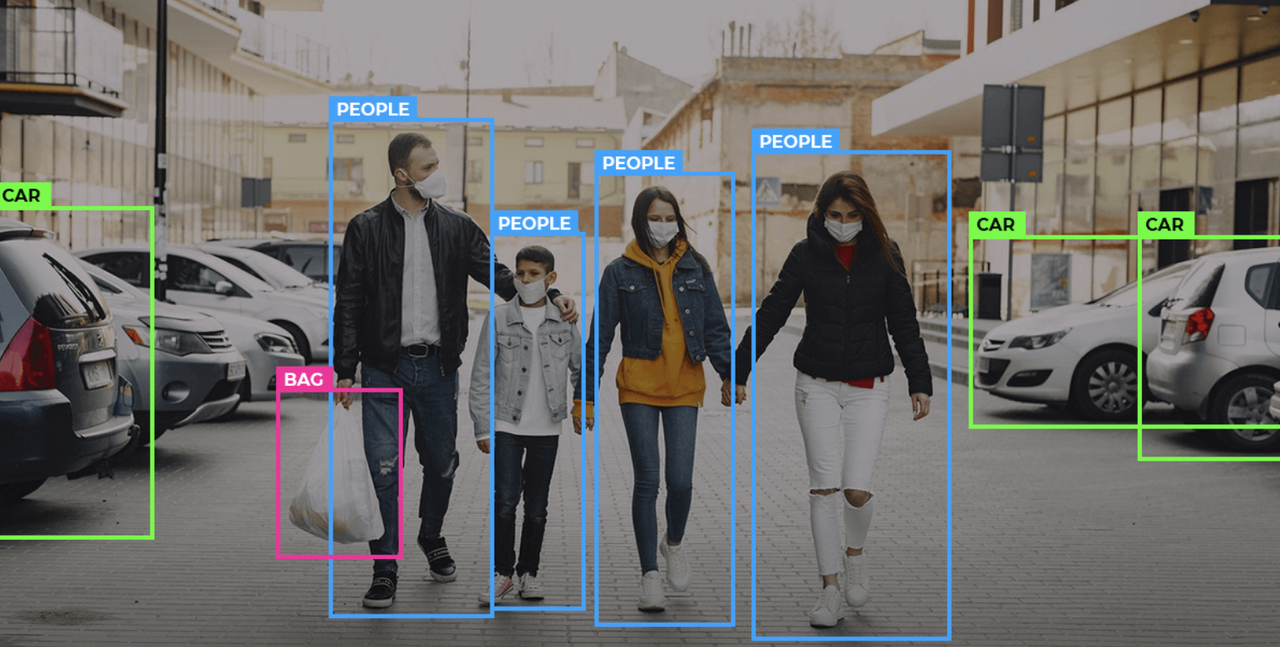
In the dazzling world of AI breakthroughs, it's easy to be captivated by the promise of thinking machines and intelligent algorithms. However, behind the scenes, a less glamorous but equally crucial role plays a pivotal part in the AI revolution - the work of annotators. These individuals, often hidden from the limelight, are the backbone of artificial intelligence, tirelessly shaping the datasets that fuel machine learning.
The current AI boom, marked by astonishingly human-like chatbots, creative AI-generated art, and the meteoric rise of AI-driven companies, had its roots in a somewhat unassuming place. In 2007, Fei-Fei Li, an AI researcher, recognized the potential of improving image recognition through extensive training on labeled images. This led to the creation of ImageNet, a dataset containing millions of annotated images, setting the stage for a decade of AI progress.
Valuing Annotators in the AI Economy
Annotation, however, often occupies a less celebrated role in the AI development process. Many engineers view it as a necessary but temporary task on the road to building AI models. They collect labeled data as inexpensively as possible and, once their models work, believe they can dispense with annotators. Yet, annotation is far from a concluded chapter. Machine-learning systems are inherently "brittle," vulnerable when encountering scenarios not well-represented in their training data - the infamous "edge cases."
These edge cases can have profound real-world consequences, exemplified by the Uber self-driving car incident in 2018. As AI systems continue to permeate legal, medical, and other domains, the demand for human intervention in handling these edge cases only grows.
While the tech industry often downplays the significance of annotation work, it's crucial to recognize its role as the infrastructure of AI. Human intelligence remains the cornerstone of artificial intelligence, and these jobs are here to stay. As it's aptly put, "Human intelligence is the basis of artificial intelligence."
The Complex Supply Chain
Behind familiar names like OpenAI, Google, and Microsoft, data vendors take various forms. Private outsourcing companies like CloudFactory and crowdworking platforms like Mechanical Turk and Clickworker are part of this intricate supply chain. Companies often require strict confidentiality, as annotation can reveal too much about the systems being developed.
The roles of annotators vary widely, from training advanced chatbots to handling mundane tasks that keep AI running efficiently. Annotators classify TikTok video emotions, discern email spam variants, evaluate online ad provocativeness, analyze credit card transactions, and fine-tune e-commerce recommendations.
The Challenge of Simplifying Reality
Simplifying reality for machines brings complexity for humans. Annotators must create meticulous rules to ensure consistent categorization, sometimes resulting in categories no human would use. They must think like machines, following instructions to the letter. It's a unique mental space, akin to taking a standardized test while on hallucinogens.
Automation doesn't necessarily replace jobs; it transforms them. AI's capacity for specific tasks leads to the division of labor between specialized algorithms and humans. It's not the end of work, but a reorganization of how work is accomplished.
In conclusion, annotators are the unsung heroes of AI, playing a vital role in its development. While AI may appear as a brilliant thinking machine on the surface, it relies heavily on the diligent and precise work of annotators who meticulously prepare the data that fuels its growth. As AI continues to advance, let's not forget the individuals who toil behind the scenes, making the AI revolution possible.
The next time you interact with a cutting-edge AI application, remember that its success is, in part, a testament to the tireless dedication of annotators worldwide. These individuals might not be the face of AI, but they are undoubtedly its beating heart.